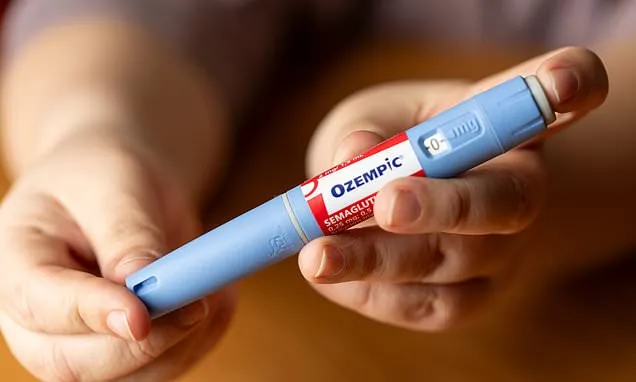
Stopping weight loss jabs such as Ozempic or Mounjaro may not trigger the drastic rebound weight gain previously feared, a major real-world study has found.
It had been thought that halting use of the fat-busting drugs - known as GLP-1s and used by around 1.6 million Brits - caused people to pile their lost pounds back on.
British Medical Journal data published earlier this year suggested that people could regain all of their lost weight within 18 months of coming off the jabs, sparking concerns among users.
But a new study published in the journal Diabetes, Obesity and Metabolism has revealed that this may not always be the case.
Researchers from the Cleveland Clinic analysed around 8,000 patients who had stopped semaglutide - the active ingredient in Wegovy and Ozempic - and tirzepatide, commonly known as Mounjaro or Zepbound.
And in what could be a key development, the team found that patients were able to maintain a stable weight up to a year later through lifestyle changes or alternative treatments.
The study was centered around adults in Ohio and Florida with obesity or type 2 diabetes and who had been using the medication for three to 12 months before they stopped taking it.
Those using the jabs for obesity lost an average of 8.4 per cent of their body weight before stopping and only regained an average of 0.5 per cent back.
Patients using the medication to treat type 2 diabetes even continued to lose weight after coming off the jabs, losing an additional 1.3 per cent after an initial 4.4 per cent reduction.
Some patients adopted lifestyle changes after ditching the medication, such as receiving nutritional counselling visits, meeting with exercise physiologists and attending medical appointments on weight management.
More than 35 per cent of the participants received alternative obesity treatments, 27 per cent of whom started another medication.
Around 20 per cent also returned to their original medication.
Most of the patients who re-used the drugs were type 2 diabetics rather than treating obesity.
'Our real-world data show that many patients who stop semaglutide or tirzepatide restart the medication or transition to another obesity treatment, which may explain why they regain less weight than patients in randomised trials,' said the study's lead researcher Dr Hamlet Gasoyan.
Dr Gasoyan added: 'Many patients do not give up on their obesity treatment journey, even if they need to stop their initial medication.'
'In our future work, we will examine the comparative effectiveness of alternative treatment options for obesity in patients who discontinue semaglutide or tirzepatide, to help patients and their clinicians make informed decisions.'
The study was carried out retrospectively studying electronic health records, meaning researchers were not able to guarantee the causation of weight loss or gain.
It suggests that post-drug treatments may be crucial in maintaining weight loss after coming off the medication.
As of January 1.6million UK adults had used the fat-busting jabs in the past year.
Sparking questions about potential supply chain issues, an additional 3.3million people expressed interest in using them in 2026.
Research revealed that the majority of GLP-1s were bought through private prescriptions rather than obtained via the NHS, raising concerns that demand may soon outstrip supply.
Professor Sarah Jackson, a behavioural scientists at University College London and study lead said: 'This usage far exceeds NHS England's initial goal of prescribing these drugs to 220,000 people over three years.'
'Our findings suggest many people are accessing these medications outside the NHS.'
'This raises concerns about equity given the costs of these drugs, as well as the adequacy of supervision and treatment,' the researchers added.