Natalia Rudin, a cookbook author and former personal chef in London, has just performed a feat of culinary magic, starting with sautéed garlic, chili flakes and shallots and finishing with a dollop of creamy burrata. It looks like she's whipped up a vibrant pesto gnocchi. But these aren't pillowy potato dumplings filling her bowl -- they're beans. And if you've spent time online looking for dinner inspiration lately, you know they're everywhere.
Welcome to episode 1 of my BEANS series!! This is a favourite of mine; zesty, herby green butterbeans with creamy burrata. I used cavolo nero and spinach but you could use any greens you have lying around in the fridge. Obviously, to keep it plant based just omit the burrata and sub for some nutritional yeast or pb cheese!
Ingredients:
2 jars of butter beans
1 shallot
4 cloves of garlic
1 tsp chilli flakes
Big handful of spinach
4-5 cavolo stalks
100ml veg stock
1 burrata bowl
1 lemon
Big handful of fresh basil
Method:
Fry diced shallots in olive oil for a couple of minutes and then add minced garlic and chilli flakes. Pour in the butter beans and stock and let that simmer for a moment. Meanwhile, in a boiling pot of water, plunge the de-stalked cavolo and spinach leaves for 45 seconds. Remove and plunge in ice water. Once totally cool, transfer to a blender along with basil leaves, juice of half a lemon and a good squeeze of olive oil. Blitz until smooth and then pour this into the beans. Remove from the heat and mix well before serving in a bowl with burrata. Top with a drizzle of olive oil, salt and pepper and some lemon zest!
Avid followers of so-called #BeanTok extol the virtues of the fiber-packed legumes, with some going so far as to follow the "bean protocol," a viral challenge encouraging users to consume 2 cups of beans every day (a normal serving is about a quarter of that). To many, this might seem like a fast track to an upset stomach or a gassy time, but to bean converts, it's the answer for a whole list of ailments.
Adherents say eating more beans has cleared their skin and helped them sleep. Others swear beans eased their endometriosis flare-ups or perimenopause symptoms. A 55-year-old woman who goes by the handle Marlene CocoaBean claims they even relieved her fear of driving over bridges: "Is it the beans?" she asks. After consuming 2 cups of beans for six months, she concluded it was.
Long considered a boring if affordable shelf-stable staple, the once-lowly bean is now topping shopping lists. They're scrambled with eggs for breakfast, added to wraps for lunch, and simmered in stews and chilis for dinner. Black beans, white beans, butter beans and artisanal cranberry beans are being tossed in salads, air-fried into crispy snacks and, in some cases, devoured straight from the can.
"I'm thrilled for beans' recent-ish surge in popularity," trendsetting chef Alison Roman writes in her latest cookbook, Something From Nothing. "Though I'll admit it does kind of feel like watching a band you love hit it big when you used to go see them at the local dive bar for a $5 cover charge."
Beans have long been a cornerstone of diets around the world, including lentils and chickpeas in South Asian cuisine, black and pinto beans in the Americas, and soy and mung beans in East Asia. The Greeks and Romans used them to vote, with a white bean indicating a yes and a black bean a no; if someone wanted to see the tally prematurely, the legend goes, they could literally "spill the beans." But now beans are benefiting from several food crazes all at once, attracting a wider web of fans.
They're high in protein and fiber, two major diet trends. They're also unprocessed or minimally processed, which gives them a thumbs-up from whole-food advocates (on the left and right), as well as vegetarians shunning processed-meat alternatives. Beans are sustainable crops -- far more environmentally friendly than, say, raising a herd of cattle, given their far lower water demand and smaller carbon footprint -- plus they're cheap and convenient at a time when consumers are watching inflation jack up the prices in just about every aisle of the grocery store. On top of that, they have a long shelf life, encouraging the formerly bean-wary to stock up during the pandemic and, in many cases, never look back.
Consumers in Asia and Latin America continue to eat the most beans globally, but sales in less-bean-enthusiastic regions such as North America and western Europe have increased in the past five years, according to data from Euromonitor International. "Beans are having a moment in isolation that taps into an intersection of a whole bunch of different things that are aligning well," says Amir Mousavi, founder of food consultant Good Food Studio in London. People want to go back to real food and real eating, he says, and that "gives beans the perfect sort of star alignment." The global traded market for pulses, the subcategory of legumes that includes lentils, peas and chickpeas (but not soybeans or peanuts), is valued at $13 billion to $16 billion a year, the Global Pulse Confederation says. (The domestically consumed bean market is far bigger.) US delivery app GrubHub says it saw a 135% increase in grocery bean orders last year.
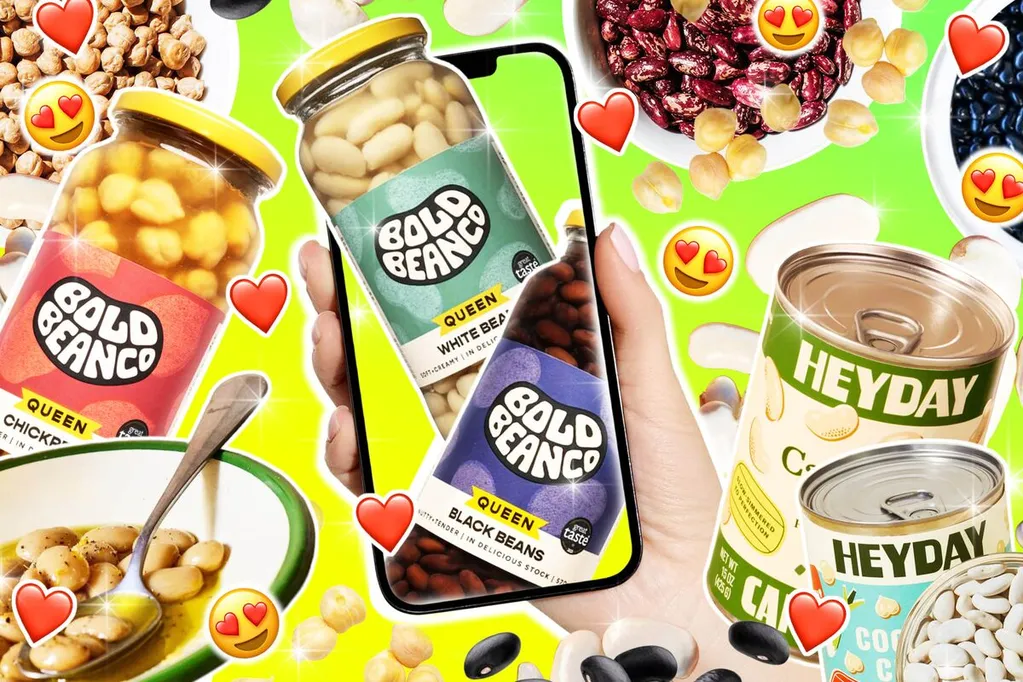
Rancho Gordo, launched in 2001 in Northern California, was one of the first big heirloom bean brands on the market. (It's still popular: The current waitlist to join its bean club is 9 to 12 months; sign up now, and some 36,000 people are already ahead of you.) Since then more and more high-end bean companies have been arriving on the scene. Heyday Canning Co., founded in Portland, Oregon, in 2020; today sells its flavorful canned-bean line -- think kimchi sesame navy beans or harissa lemon chickpeas -- in more than 2,000 stores across the US. Belazu Ingredient Co. in the UK; which specializes in olive oils; vinegars and other Mediterranean foods; started selling premium chickpeas and lentils in retail stores in 2024.
Bold Bean Co., also based in the UK; says it's behind much of that growth. The company's founder; Amelia Christie-Miller; had long associated beans with simple tinned beans on toast; an unassuming dish she didn't personally find appealing. But her preconceptions changed when she studied in Barcelona. As Christie-Miller told investors on Dragons' Den; the British equivalent of Shark Tank; in 2024; she was hungover after a night out; and the only item in her pantry was a jar of beans. She reluctantly ate them; only to realize that these beans -- judiones de la granja -- were creamy; flavorful and delicious. After going on to work at a food sustainability company and then in restaurants; "I began to see that all roads led to beans," she says.
Christie-Miller started her bean business in 2021. Her jars of chickpeas and butter beans sell for about £3.25 ($4.40) per 570-gram jar, often more than six times as much as 400g store-brand cans, which go for 50 pence. While this might seem exorbitant to some, it's still cheaper than meat, and a no-brainer for her devoted fan base, some of whom call her beans life-changing. It's "just like coffee 30 years ago. People thought, 'Coffee was coffee, it's a commodity product -- why would I pay more for it?'" Christie-Miller says. "Now you go into the supermarket, and there are a million different varieties. People recognize that different beans and different products from different terroirs can taste completely different."
Bold Bean's products are packaged in glass jars for sale in the UK and the Netherlands; but no-drain pouches of beans are also gaining in popularity. Last year; Premier Foods Plc; which owns major British brands including Mr. Kipling cakes and saucemaker Homepride; purchased pouched-bean purveyor Merchant Gourmet for an undisclosed price; citing its double-digit revenue growth. Merchant Gourmet sells high-end pulses like Puy lentils from France and giant butter beans in pouches for £2 to £3 apiece. It recently announced a line of gourmet baked beans for a similar price. "We're all trying to eat more healthily; to get more protein; to get more fiber; and this is right in the sweet spot of that -- and also really convenient," says Alex Whitehouse; chief executive officer at Premier Foods.
In Chicago; Fillo's has been selling Latin American-style food like the company's founders grew up eating in a ready-to-eat format for years. The brother co-founders began by selling Cuban black beans about a decade ago and have expanded to a vast array of flavored beans in pouches and bean-stuffed tamales for eating on the go. Sales have increased by 100 times since the company started. Daniel Caballero credits its success to its simple; fresh ingredients; such as bell peppers; garlic and extra virgin olive oil. "We're appealing to shoppers who; for many; many reasons; many motivations; prefer a clean label; flavorful and convenient on-the-go bean pouch," he says. This includes shoppers who want traditional beans but don't have time to cook them from scratch: "They're willing to pay a premium."
To be sure; beans still face an upward battle. When US Health and Human Services Secretary Robert F. Kennedy Jr. unveiled his reworked food pyramid focused on real foods; plant-based proteins such as nuts and beans were tucked way below animal-based proteins like red meat and full-fat dairy. (At first glance it even seemed beans had been left off the pyramid altogether; before the administration clarified that a vague bowl of foodstuff was meant to represent rice and beans.) And while beans and tofu have seen year-over-year growth in online popularity; research group Spate says; so too have ground beef; chicken thighs and other meat products. Even though US beef prices are at an all-time high; consumers this year are nonetheless projected to eat the most beef per capita in more than 15 years; estimates from the Department of Agriculture show.
Bean advocates; though; say it doesn't have to be one or the other. Fillo's will soon add its first meat-filled on-the-go tamales to its otherwise entirely vegan lineup; Caballero says. Christie-Miller makes sure to include meat throughout her two bean-centered cookbooks.
Former personal chef Rudin; who posts under the handle @natsnourishments on TikTok; started eating animal products again in 2024 after years of a mostly vegan diet. Still; her most popular video ever was for an unassuming recipe for cannellini beans braised in tomato sauce. It's been viewed more than 20 million times.