Ivan Taylor is a bilingual, award-winning TV journalist who is a seasoned reporter with extensive live and breaking news experience from local and national news outlets.
The Trump administration is changing the rules for a federal immigration program that has long allowed victims of domestic violence to seek legal status in the United States without relying on their abusers.
The program falls under the Violence Against Women Act, known as VAWA. In the past 48 hours, the federal government announced it will require stricter evidence in VAWA self-petitions, citing what it says is a sharp increase in filings and concerns about possible fraud.
The change does not apply only to new applications. According to immigration advocates, it will also affect thousands of cases already pending and currently being processed.
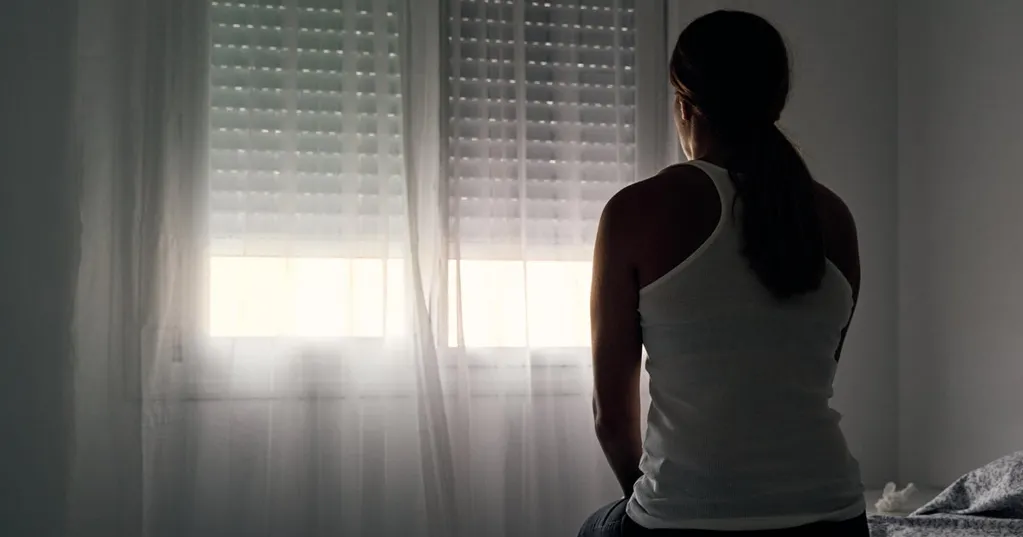
One woman, who asked not to be identified out of fear, told CBS News Miami she is now unsure about her future.
"I'm a victim of domestic violence, and I'm in process with VAWA," she said. "It's the program of the Violence Against Women Act."
VAWA was approved by Congress in 1994 and created a legal pathway for immigrant survivors of domestic violence, battery, and extreme cruelty to apply for lawful permanent residency on their own -- without the knowledge or participation of their abuser.
According to the U.S. Department of Housing and Urban Development, the law was designed to protect victims and provide access to safety, housing, and legal remedies.
An immigration attorney explained that, until now, survivors who were abused by a U.S. citizen or lawful permanent resident family member could self-petition.
"If you were victimized by a family member, you were able to self-petition for your green card," said Patricia Elizee, an immigration attorney in South Florida.
The woman who spoke with CBS News Miami said she married a U.S. citizen in 2018, but described the relationship as abusive.
"It was a complete nightmare -- a bunch of lies," she said, describing mostly verbal abuse. She added that the threats escalated over time.
"He told me he was going to report me to immigration, that I would get deported," she said.
She filed her VAWA petition in 2023. Under the new policy, she is among those who may now be required to submit primary evidence -- such as phone records, photos, or leases -- to prove abuse and cohabitation.
That requirement worries attorneys who say many victims simply do not have access to that kind of documentation.
"A lot of victims are not going to have access to phone records, or photos, or even a lease to show they actually lived with their abuser," Elizee said. "The abuser may keep all of that from them."
The federal government revealed that between 2020 and 2024, VAWA filings increased by 360%. The Department of Homeland Security has said it cannot rule out fraud and argues the changes are meant to protect the integrity of the program.
When asked whether those figures suggest abuse of the system, Elizee pushed back.
"At the end of the day, the law is supposed to protect victims," she said.
VAWA petitions are used by victims of abuse, battery, and extreme cruelty. Immigration advocates say the new policy could discourage survivors from coming forward or place them at further risk.
Attorneys are urging anyone considering a VAWA petition -- or those with cases already pending -- to seek legal counsel immediately, as the new requirements could significantly impact their chances of approval.
The policy shift comes under the administration of Donald Trump, as immigration enforcement and fraud detection remain a central focus of federal policy.