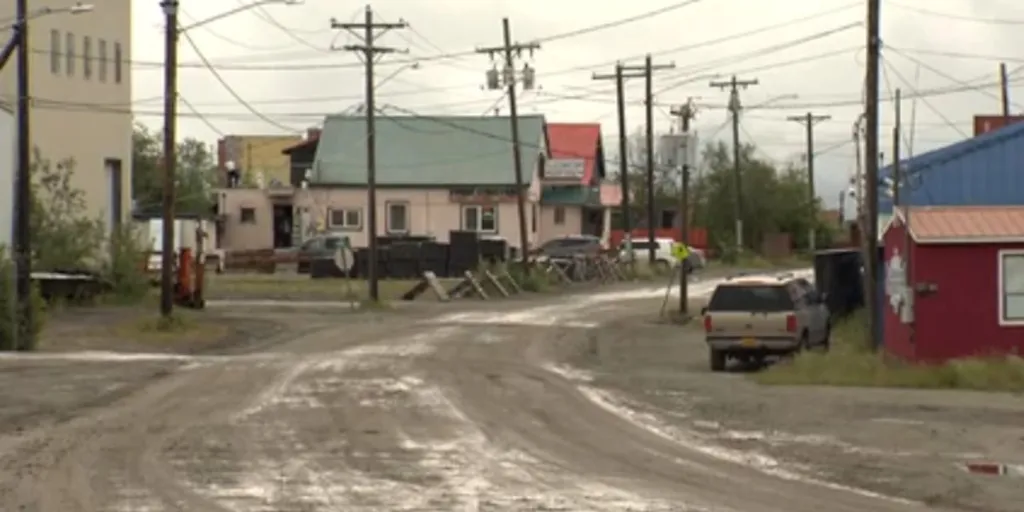
ANCHORAGE, Alaska (KTUU) - The U.S. Department of Transportation is awarding nearly $2 million in Tribal Safety Grants in Alaska.
James Crawford, USDOT Assistant Secretary for Tribal Affairs, said the grant money is to be used for safety projects in Alaska Native communities, which face unique challenges compared to the Lower 48.
"Alaska is one of our most remote areas in the entire United States, and it's certainly in Indian country, and so as the assistant secretary, I've been charged from my secretary, my boss, Sec. Duffy, to make sure Alaskan peoples' voices are heard and we're meeting the needs that are up here," he said. "There's never enough money to go around, but my job is to make sure everyone understands that we see you."
Among some of the projects receiving grant money are over $130,000 for sidewalk solar lighting in Craig, about $125,000 to the Aleut Community of Saint Paul Island to install street signs and repair damaged signs, over $120,000 for the Kokhanok Village for street lighting and over $600,000 for Shishmaref and Brevig Mission for route marking.
"Some of these things maybe don't seem like a lot, but whenever you are out in remote areas and it's dark, the pedestrian safety is our number one concern," Crawford said. "So making sure that there's ample street lighting is really a plus."
Crawford said when it comes to developing infrastructure in Alaska, the remoteness of the Last Frontier in comparison to other states makes things tougher.
"I think the biggest thing that stands out is just the remoteness of the communities and the fact that there aren't just interconnecting highways and byways and a lot of the streets are in desolate areas."
Crawford said the administration, including President Trump and Sec. Duffy, wants him to get out and hear from rural local and tribal leaders directly to make sure they're being listened to to decide what projects are most important to bring funding to.
"The administration, from the president to the secretary, wants us to get out to the remote areas of rural America where a lot of our native people are at and make sure their voices are being heard and they are getting some funding that they need in order to complete their projects that they have for safety and infrastructure."
Crawford said the grants were awarded Thursday and referred to the grants as "money in action grants," meaning the funds are being put to work right now.
"These grants are gonna be coming to these communities; these communities are going to be able to use these funds the moment they get them to start improving their communities for their citizens," he said.
Crawford said he believes there could be an up to 50% reduction in injuries in communities receiving the grants, as much of the money will likely be used to create better signage and road markings, among other improvements.
"[The grants will be used for] all the things that we take for granted in the lower 48 and some of these communities don't have in the remoter regions of Alaska," he said.