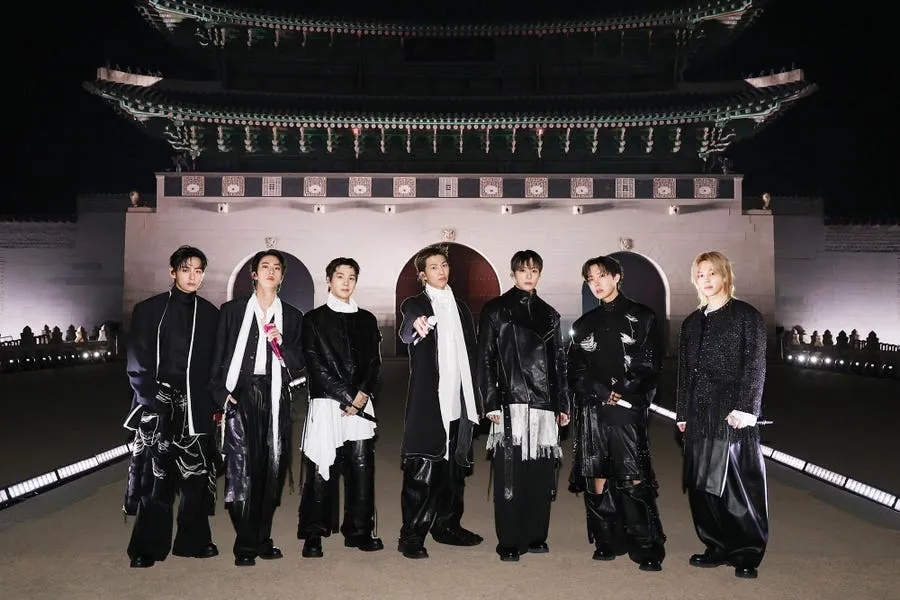
In an era when many music superstars still lean on traditional media like magazine profiles to launch new albums, BTS charted a different course for the group's long-awaited comeback album Arirang -- largely bypassing traditional media in favor of a more selective digital strategy, including an upcoming appearance this week on the Hot Ones web series.
It's tempting to chalk up BTS' freedom in that regard to the sheer scale of the group's success. Arirang, for example, debuted at No. 1 on the Billboard 200, racking up 532,000 pure unit sales during its first tracking week -- the biggest sales week for any group in over a decade. BTS also made history by sweeping the Top 10 on Billboard's global song chart that excludes the U.S., something no artist had accomplished before.
The group was able to do all that and more without the traditional round of TV appearances, outside of a two-night Fallon stop, or the promotional frenzy that once defined major comebacks. That's because, at this point, traditional media outlets -- like GQ, which put BTS on its cover in March -- are the ones that need content from the group, not the other way around.
To be sure, what's happening here is also bigger than one music group. In the BTS comeback, in fact, there are object lessons aplenty about the modern media landscape. Particularly with regard to its shifting power dynamics, wherein superstars with giant fanbases no longer need the old promotional playbook to sell albums and dominate the charts.
Inside BTS' 'Arirang' rollout
BTS' Hot Ones appearance on Thursday, April 9 -- during which the group members will chat with host Sean Evans and nosh on spicy wings -- is one example. "This week's guests on the season finale of Hot Ones, they flew all the way across the world to be here at this table," Evans said, in a video announcement about the episode.
"And while we're on the topic of tables, it's the largest one this studio has ever seen. We've got seven chairs, seven sets of wings. Including me, that is 80 wings on the table—a Hot Ones record."
The clip then transitions to images of social media posts from BTS fans before the camera pans to seven guest chairs with name tags for each of the band's members: RM, j-hope, Jin, Suga, V, Jung Kook and Jimin. Continues Evans, with a nod to two BTS hit songs: "It's gonna be dynamite. Smooth like butter."
Here's the takeaway: A single appearance like the Hot Ones episode will drive a significant wave of online attention all by itself. Because, whereas BTS members years ago had to subject themselves to potentially adversarial or problematic traditional press to stay in the conversation, today the same outlets will write about them anyway—whether the group participates or not.
That likely explains why the traditional media side of the Arirang rollout was pretty slim.
Why BTS no longer needs traditional media
The group's two-night appearance on Fallon in late March, meanwhile, felt more like a kind of reunion with one of the group's favorite hosts than actual press duty. There was also an in-depth interview with Zane Lowe on Apple Music, recorded at HYBE, that delved into the meaning of the new album title and its historical roots in Korean folk tradition. That conversation also featured candid reflections on BTS' post-hiatus era, among other topics.
BTS gave its first full-group interview since 2022 to GQ for its March edition, which included a cover story and photoshoot—but, again, that one stands out as an exception to the overall Arirang rollout strategy. There was also a livestreamed Netflix concert, held at Seoul's historic Gwanghwamun Square on March 21, and a companion Netflix documentary that went deep on the group's return.
Direct fan engagement came in the form of Weverse livestreams, handwritten letters to fans, a Spotify event in New York, and a Vogue "Korean 101" segment (below). The results speak for themselves: Massive first-week sales and chart dominance achieved with almost zero dependence on traditional media opportunities.
BTS's preference for a sit down like Hot Ones—which will be available to stream on YouTube at 11 a.m. ET on Thursday—also mirrors a larger shift in the entertainment industry itself. It's one where superstars increasingly favor the loose, conversational vibe of celebrity-driven podcasts such as SmartLess and Good Hang with Amy Poehler over tightly scripted traditional interviews.
In this new landscape, a casual "hang," whether it calls for sweating through spicy wings or chatting with a host like Lowe, has more appeal because it lets artists control the tone and reveal their personality on their terms. And also generate organic coverage without risking the formulaic questioning that once defined the song-and-dance of old-school press duty.
The rise of the aggregator era in media has also played a role in this shift.
As media outlets began to prioritize volume, speed, and SEO-focused clicks over originality or in-depth reporting, traditional gatekeepers saw their influence over time slip away. BTS, like other superstars and major interview subjects with massive audiences, could then afford to pick and choose their moments. The content machine, after all, will simply aggregate what it doesn't create itself.
This media trend, by the way, is often condensed to some version of a declaration that the gatekeeper era is officially over. But that actually understates the deeper shift:
The old gatekeepers have, to be more precise, reversed roles. To the point that they're now often the ones chasing the content instead of deciding what gets through the gate.