Looking back, the first hint that I was ageing prematurely was the 15 kilograms of extra weight I'd stealthily accumulated through my 20s and mid-30s.
For decades, scientists and the rest of us assumed that middle-aged spread is inevitable. Yet it turns out that this is far from the case. Our metabolism, the rate at which our bodies burn calories, doesn't change much at all between the ages of 20 and 60.
Instead, as I discuss in my new book, The Age Code, the problem is more about what we're eating. Diet is increasingly being shown to be the biggest contributor to how well or badly we age. It turns out my progressive weight gain had nothing to do with metabolism and everything to do with the fact I was consuming 600 to 700 more calories than my body needed every day.
I'm far from the only one. According to the NHS, the average woman needs 2,000 calories per day, while an average man needs 2,500 calories. But one of the problems with many heavily processed foods is that they're energy dense - a typical pizza, for example, is already 1,500 calories. A Big Mac is 580 calories. This makes it easy to accumulate calories throughout the day.
The cumulative effect of my daily overeating could be seen in my blood: tests indicated I was ageing too fast and placing myself at a higher risk of chronic disease.
As a neuroscientist with a PhD from the University of Cambridge and a health journalist, I wanted to understand more. This set me on a two-year investigation into the emerging science connecting diet, eating patterns, and how we age.
Based on my findings, here are some key tips you can easily adopt to stay feeling younger for longer.
- Accept bacon is bad
Nutritionists have been warning us to limit processed meat for years, but there's a new reason to keep bacon butties to a minimum - a class of toxins known as advanced glycation end products (AGEs). They're formed in foods when proteins react with fats or sugars in the presence of heat and are now thought to be key drivers of inflammation and oxidative stress, both of which accelerate ageing. Scientists have discovered that the composition of bacon leads to AGEs forming in colossal numbers when grilled or fried. One study found that three slices of bacon fried for five minutes contain more than ten times as many AGEs as a Big Mac. - Say bye to the barbecue
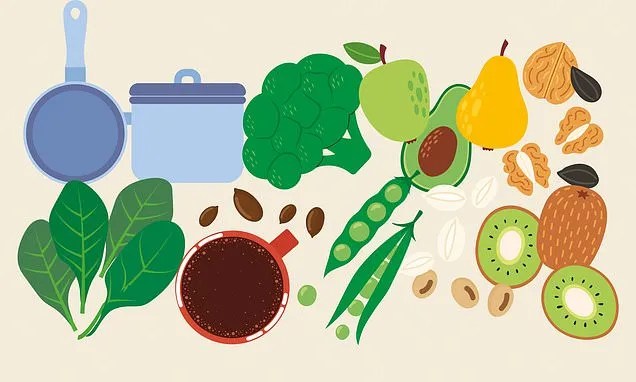
AGEs tend to form in the highest numbers when we cook meat or fish using high heat for prolonged periods. If you want to cook at high heat, experts advise using methods that cook food quickly. So air-fry or even microwave rather than pan-fry, roast, grill or barbecue to give less time for AGEs to form. The best cooking methods of all are thought to be water-based techniques, such as slow-cooking, steaming and stewing, thought to minimise the amounts of these toxins you're ingesting. In addition, scientists recommend buying ceramic rather than stainless-steel saucepans, which are more adept at water-based cooking. The nonstick nature of ceramic surfaces also means less need for high-fat cooking oils, which lowers the amounts of AGEs in your food. - Cut back on saturated fat
Commonly found in red meat, pastries, biscuits and many ultra-processed foods, saturated fats are metabolised in our guts into substances called ceramides. These can reprogramme our immune cells to make them more inflammatory, accelerating the ageing of the immune system. Our body can handle a certain number of ceramides, as long as it also gets similar amounts of beneficial metabolites from consuming fibre and omega-3 fatty acids, which are found in oily fish. So, if you are eating red meat or pizza, for example, try to also consume ample fibre-rich fruits and vegetables. - Stock up on spinach
There's nothing new in this advice, but research has found spinach and other leafy greens - think kale, mustard greens, chard and watercress - is even better for us than we already thought. This is because these foods are rich in vitamin K, one of the most potent micronutrients for keeping ageing at bay. - If your body has sufficient vitamin K, it can activate a whole family of hormones and other proteins. These ensure that calcium is directed to our bones where it's needed and prevent it from forming deposits that harden the walls of arteries. People who get ample amounts of vitamin K have been found to have a much lower risk of dying prematurely from cardiovascular disease as well as being less likely to suffer bone fractures and frailty in later life.
- Snack on nuts and seeds
Other vitamins and minerals are also key to staying young. Many of us get insufficient amounts of selenium (important for thyroid and immune function), zinc (bone strength plus healthy hair and skin) and vitamin E (a key antioxidant). One of the best - and most straightforward - strategies for tackling this is to snack on Brazil nuts, sunflower seeds and walnuts, which are packed full of these crucial micronutrients. - Get the right dose of omega-3s
The benefits of omega-3s for brain and heart health have been known for years, but ageing science reveals that they also play a key role in immune and muscle function. In fact, if you're going to take any supplement to tackle ageing, omega-3s are probably the best bet. However, the right dose is important - the latest science suggests that taking one gram of an omega-3 supplement per day is optimal to slow the ageing process. - Discover oleic acid
As one of the often-forgotten groups of healthy fats, a group known as omega-9 fatty acids, oleic acid has been shown to significantly increase the lifespan of worms by protecting them against oxidative stress. In humans, it also appears that consuming enough oleic acid can make you more satiated and less likely to overeat. Researchers now suggest that when we eat beef, the best form is brisket, as it is much richer in oleic acid than other cuts. Oleic acid is particularly highly concentrated in extra virgin olive oil. Other sources include avocados, pecans, almonds and hazelnuts. - Drink unfermented cocoa
Epidemiologists have found that indigenous communities who drink cocoa in its most natural form, cacao, seem to be protected against high blood pressure, and we're now starting to understand why. Cacao - which is available at most wholefood stores as paste or powder and should be mixed into hot milk or water to drink - is extraordinarily rich in flavonoids. When taken in high enough amounts, these plant chemicals prompt the release of a hormone that makes blood vessels gently expand and contract. This optimises oxygen flow around the body and clears waste. - Fibre-max properly
Getting more fibre into your diet is vital for keeping your immune system and brain healthy into later life. So-called high-fibre snack bars tend to be filled with cellulose, a low-quality fibre, which does little more than bulk out your stools. Instead, you need the gum-like fibres in beans and pulses or the arabinoxylan in brown rice and barley which are much more easily fermented by the microbes in the gut leading to the production of valuable chemicals that keep your organ systems healthy. - Eat protein in the morning and cherries at night
The emerging field of chrononutrition reveals it's not just about what you eat but when. Protein is much better metabolised and likely to build muscle when eaten in the morning so opt for a protein-rich breakfast and a lower protein dinner. Foods such as kiwi fruit and cherries work best when eaten in the evening; for example as a healthy dessert. This is because they contain serotonin which helps to reset your body clock and promote sleep.